
Spot the signs of aging plumbing infrastructure in older homes before a pipe burst costs you thousands. Protect your historic property with this expert guide.
Owning a vintage property is a dream for many, but the reality often involves hidden challenges, particularly when identifying the signs of aging plumbing infrastructure in older homes. While the crown molding and original hardwood floors add character, the galvanized steel or clay pipes hidden behind the plaster walls are a ticking time bomb. If you are living in a residence built before the 1970s, understanding the signs of aging plumbing infrastructure in older homes is not just a matter of home improvement; it is an essential part of disaster prevention. Many homeowners ignore the subtle clues of system fatigue until they are standing in a flooded basement, wishing they had paid closer attention to the warning signals.
The plumbing systems in older houses were designed for a different era, with materials and standards that have since been phased out due to health concerns or poor longevity. When you begin to notice the signs of aging plumbing infrastructure in older homes, you are seeing the physical breakdown of materials like lead, cast iron, and early-generation plastics. This degradation doesn’t happen overnight; it is a slow, corrosive process that weakens joints and narrows the interior diameter of pipes. By learning to read the language of your plumbing, you can transition from reactive repairs to a proactive replacement strategy, ensuring your home remains “leak sturdy” for the next generation.
The Visual Evidence: Discoloration and Corrosion
One of the most obvious signs of aging plumbing infrastructure in older homes is the color of the water emerging from your taps. If you turn on the hot water after a weekend away and see a rusty, brownish tint, you are looking at the literal disintegration of your pipes. Galvanized steel pipes, common in homes built before 1960, have a zinc coating that eventually wears away, allowing the iron beneath to rust. This rust doesn’t just discolor your water; it creates a jagged internal surface that traps debris and reduces water pressure. If you are constantly dealing with clogs and “dirty” water, these are definitive signs of aging plumbing infrastructure in older homes.
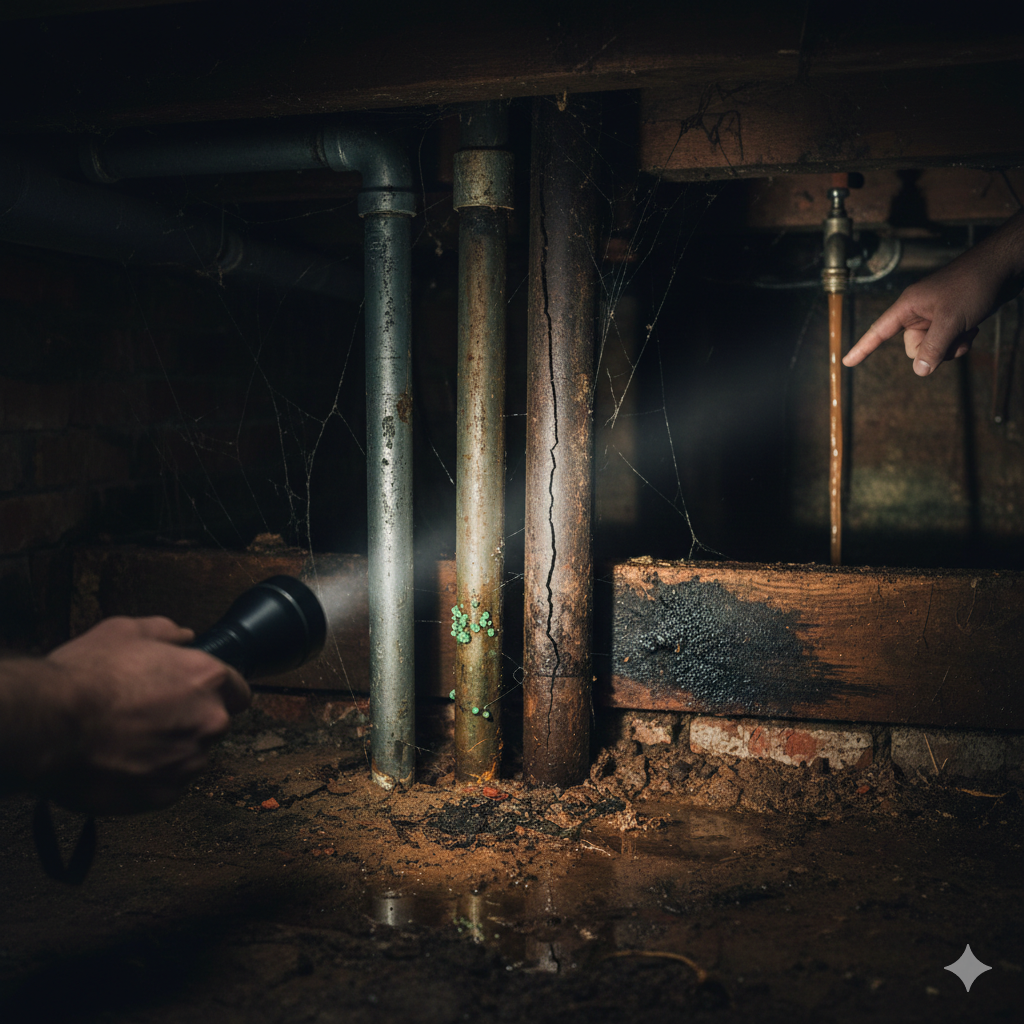
Beyond the water itself, the exterior of the pipes can tell a story. If you have access to a basement or crawl space, inspect the exposed lines for “pimples” or small green and white crusty deposits. These are signs of “pinhole” leaks—tiny breaches in the pipe wall that are currently being plugged by mineral deposits. However, these plugs are temporary. These visual cues are critical signs of aging plumbing infrastructure in older homes that indicate the pipe wall has become paper-thin. Ignoring these small spots is a dangerous gamble, as they frequently lead to sudden, high-pressure bursts during temperature fluctuations or pressure spikes.
The Performance Decline: Low Pressure and Slow Drains
A sudden drop in water pressure is more than just an inconvenience during a shower; it is one of the classic signs of aging plumbing infrastructure in older homes. As pipes corrode from the inside out, the buildup of rust and calcium (known as tuberculation) restricts the flow of water. It is much like a clogged artery in the human body. If you’ve cleaned your faucet aerators and still find the flow lacking, the problem likely lies deep within your vertical stacks or main supply line. This systemic failure is among the most common signs of aging plumbing infrastructure in older homes and often requires a full repiping to resolve.
Slow drains are the counterpart to low pressure. While a single slow drain is usually just a local clog, if every sink in your house is sluggish, you are likely dealing with aging sewer lines. In older properties, sewer laterals were often made of clay or cast iron. Over decades, these pipes settle, crack, or become infiltrated by tree roots seeking moisture. This structural decline represents some of the most expensive signs of aging plumbing infrastructure in older homes to repair, especially if the pipes run beneath a concrete slab or mature landscaping. Utilizing a vetted local plumber for a sewer camera inspection is the only way to confirm if your drains are failing due to age.
The Hidden Danger: Mold and Musty Odors
If you walk into your home and are greeted by a persistent, damp smell, you are likely experiencing one of the invisible signs of aging plumbing infrastructure in older homes. Slow, hidden leaks behind walls or under floorboards create the perfect humid environment for mold colonies to thrive. Unlike a burst pipe that demands immediate attention, these “ghost leaks” can persist for years, rotting the wooden framing of your house and degrading the air quality. When you search for signs of aging plumbing infrastructure in older homes, don’t just use your eyes—use your nose.
Persistent mold in the corner of a ceiling or along a baseboard often points to a failing joint in a cast iron waste stack. These pipes are notorious for developing “hairline” cracks along their length as they reach the end of their 50-to-70-year lifespan. If you are already managing a dampness issue, check our guide on why is cabinet under sink wet but no visible leak to see if your problem is a simple fixture issue or a symptom of a larger systemic failure. Detecting these signs of aging plumbing infrastructure in older homes early can save you from an intensive mold remediation project.
FAQ: Older Home Plumbing Concerns
1. What is the average lifespan of plumbing in an older home? It depends on the material. Brass and copper can last 50-80 years, while galvanized steel usually fails after 40-60 years. Cast iron sewer lines typically last 75-100 years, but environmental factors can shorten this significantly.
2. Are lead pipes common in older homes? Yes, homes built before the 1980s may have lead solder or lead service lines. This is one of the most serious signs of aging plumbing infrastructure in older homes and requires immediate professional assessment for health safety.
3. Why do my pipes make a banging noise? “Water hammer” or loud banging often occurs in older systems where the air chambers in the plumbing have become waterlogged or were never installed. It’s a sign that the pressure is putting undue stress on aging joints.
4. Can I just patch a leaking old pipe? Patching is a temporary fix. Because the metal is usually corroded throughout, a leak in one spot is a signal that the rest of the pipe is also failing.
5. How much does it cost to repipe an older home? A full repipe can range from $4,000 to $15,000 depending on the size of the home and the ease of access to the walls. It is a major investment but adds significant resale value.
6. Does home insurance cover aging pipes? Typically, insurance covers the damage caused by a sudden pipe burst, but they will not pay to replace pipes that have failed due to “wear and tear.” Review our analysis on does home insurance cover slow pipe leaks for more details.
7. Should I replace cast iron with PVC? Most modern standards prefer PEX for supply lines and PVC for drains due to their resistance to corrosion and lower cost, making them the standard choice when replacing aging infrastructure.
Conclusion: Investing in Your Home’s Future
Ignoring the signs of aging plumbing infrastructure in older homes is a recipe for financial and structural disaster. By staying vigilant for rust-colored water, low pressure, and musty odors, you can address plumbing fatigue before it turns into an emergency. Protecting a vintage home requires a balance of respecting the past and modernizing the hidden systems that keep it functional.
If you suspect your home is showing the signs of aging plumbing infrastructure in older homes, the first step is a professional audit. Once you have a clear picture of your system’s health, you can make informed decisions about repairs versus replacement. According to The Department of Housing and Urban Development, maintaining the core infrastructure of aging homes is the most effective way to preserve affordable housing and neighborhood stability
What to Do if Pipes Freeze in Crawl Space
About The Author
